
 +38 (067) 700 36 50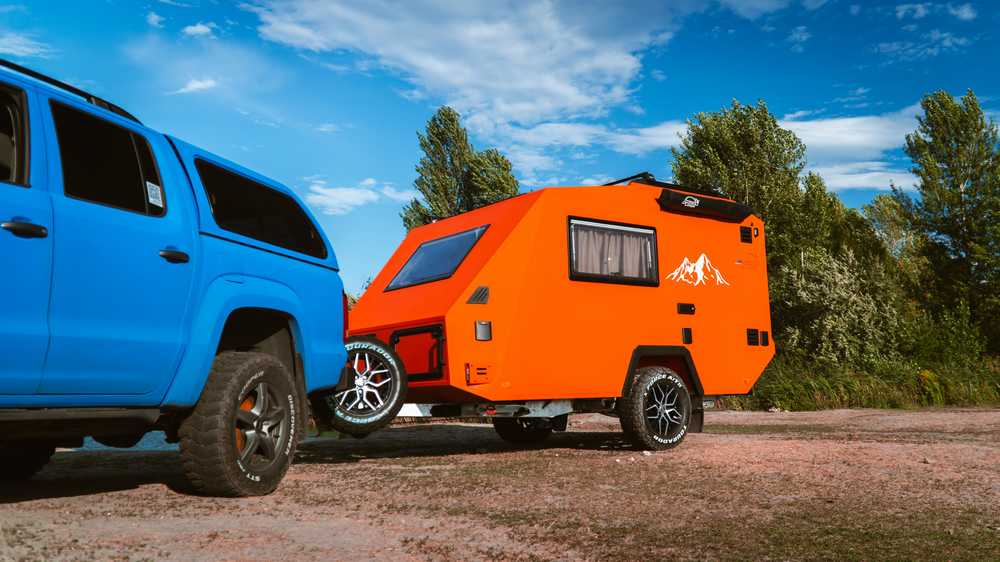
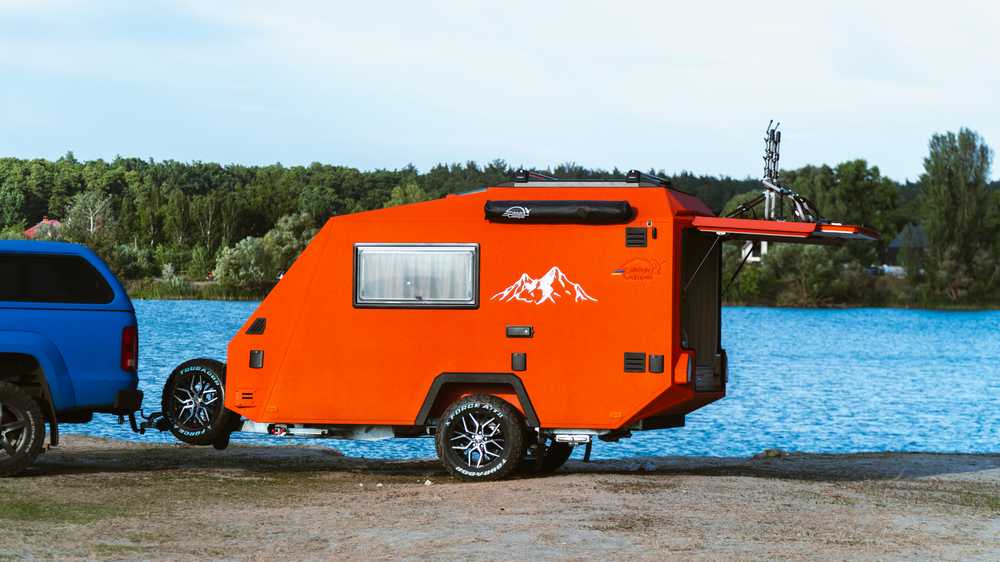
Many touring holidays depend on campsite infrastructure: find a pitch, connect to the mains, fill up with water and only then settle in. X-RID offers a different way to travel. This compact off-road caravan combines its own power, heating and water systems for travellers who want to spend less time tied to fully serviced campsites.
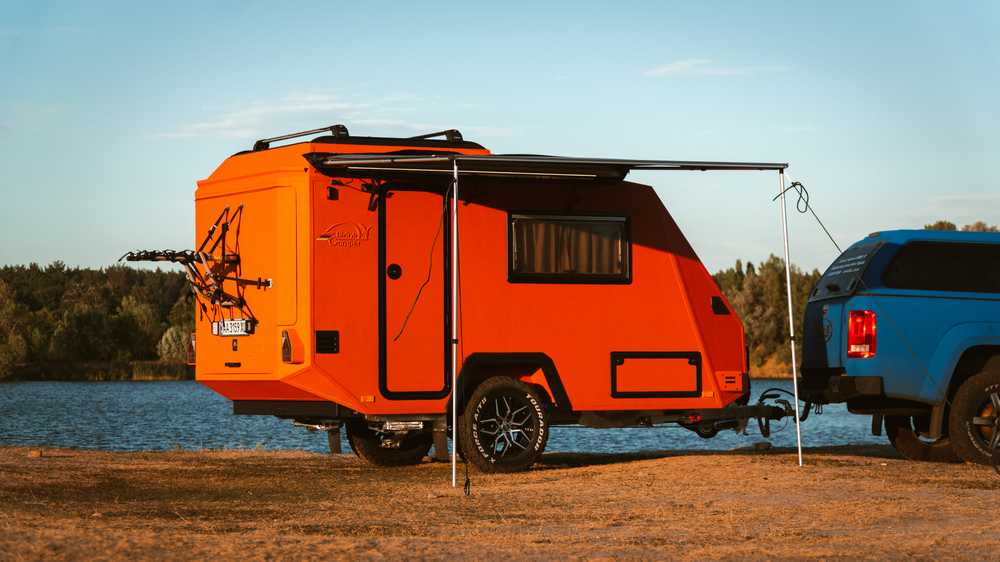
Developed in Ukraine by Lifestylecamper, X-RID brings together a reinforced chassis, an insulated body, a fitted kitchen, sanitary equipment and a generous convertible sleeping area. Here is a practical look at what makes it an off-grid caravan, how the interior works and the kinds of journey it is designed for.
What makes an off-grid caravan different?
Terms such as small caravan, adventure caravan and camper trailer are often used for very different products. Two caravans of a similar size may be intended for completely different types of touring.
A conventional touring caravan can be an excellent choice when most nights are spent on serviced pitches with access to mains electricity and water. Beyond established campsites, however, an independent power supply, water storage, heating, ground clearance, suspension and body protection become far more important.
X-RID is designed around the second scenario. It does not provide unlimited energy or water, but it gives its occupants greater freedom to stop away from permanent hook-ups. That is what off-grid capability means in practice: managing your own resources for a period of time rather than relying on campsite services at every stop.
A compact off-road caravan for mixed terrain
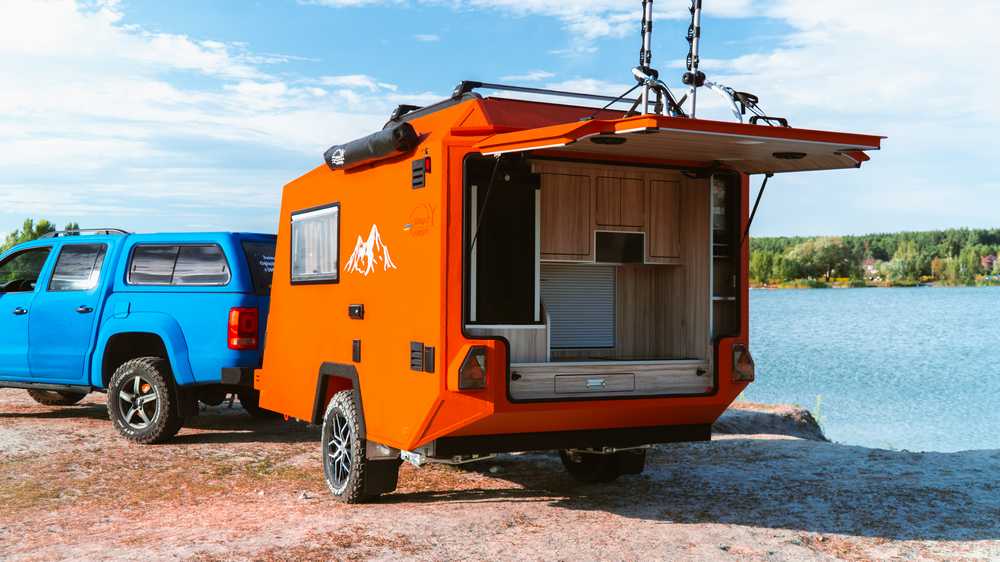
X-RID is built on a reinforced, single-axle O2-category chassis. Hot-dip galvanising improves corrosion resistance, while independent trailing-arm coil-spring suspension with hydraulic shock absorbers helps manage the loads created by uneven surfaces.
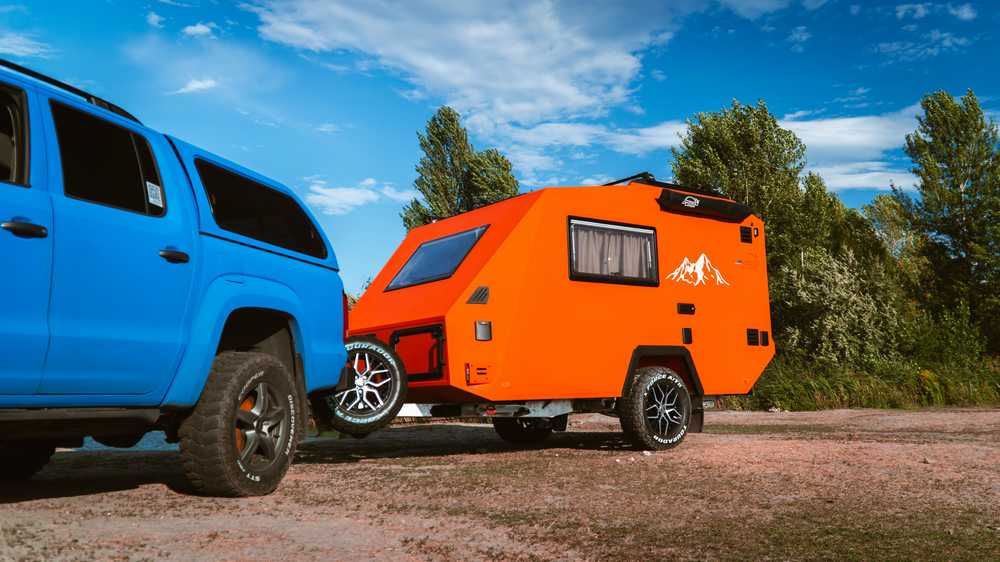
The caravan is equipped with a KNOTT overrun braking system, automotive wheels and All Terrain tyres. This combination is intended for tarmac as well as unpaved, forest and mountain roads. X-RID is still a touring caravan rather than an all-terrain vehicle, so every route should be assessed in relation to the tow car, surface conditions, loading and the driver’s experience.
Before travelling, owners should also check the actual weight of their chosen specification, the towing limits of the vehicle and the relevant driving-licence requirements. These figures matter more to real-world usability than compact exterior dimensions alone.
An insulated body protected by LINE-X
The self-supporting sandwich body combines plywood, XPS insulation, interior finishing materials and an external LINE-X polyurethane coating. The complete wall structure is approximately 32–35 mm thick.
XPS helps reduce heat transfer, while the seamless external coating protects the surface against moisture, scratches, chips and abrasive wear. On the road, this makes the body better suited to rain, dust, branches and the minor impacts that can come with travelling beyond smooth tarmac.
Insulation works together with the heating system to retain a comfortable interior temperature. Actual performance will still depend on the weather, ventilation, heater settings and the selected equipment specification.
Off-grid power from a portable station and solar panels
One of the defining features of X-RID is its independent electrical system. Depending on specification, the caravan can be supplied with an EcoFlow DELTA 3 Plus portable power station or an equivalent unit.
The DELTA 3 Plus specification lists a capacity of 1,024 Wh and a rated AC output of 1,800 W. Under the stated conditions, it can recharge from the mains in approximately 56 minutes. Two flexible 185 W ETFE solar panels can be fitted to the roof, providing a combined nominal output of 370 W.
The panels can replenish the power supply while the caravan is parked, but real output varies with the season, cloud cover, orientation and available daylight. For that reason, off-grid endurance is better judged by the equipment being used — refrigeration, lighting, pumps, personal electronics and any additional appliances — rather than by a universal claim about a set number of days.
Before using a kettle, hairdryer or another high-draw appliance, compare its power requirement with the station’s rated output and consider which other devices are running at the same time. A simple energy budget provides a far more useful picture of an off-grid stay.
Heating and hot water: two equipment routes
Different heating options are available for X-RID. The Whale Heat Air 5 GTE gas and electric system provides up to 4.3 kW of heat. Paired with a 10-litre ELGENA storage water heater, it can warm the living space and provide hot water.
The alternative Webasto Air Top 2000 is a diesel air heater with an output of up to 2 kW. It is designed specifically for space heating and may suit longer journeys where independence from a gas heating system is a priority.
These are not identical arrangements, so buyers should confirm how space heating and water heating are configured in the caravan they are considering. Choosing the system around the season and style of travel is more useful than simply selecting the longest equipment list.
A fitted kitchen and practical sanitary equipment
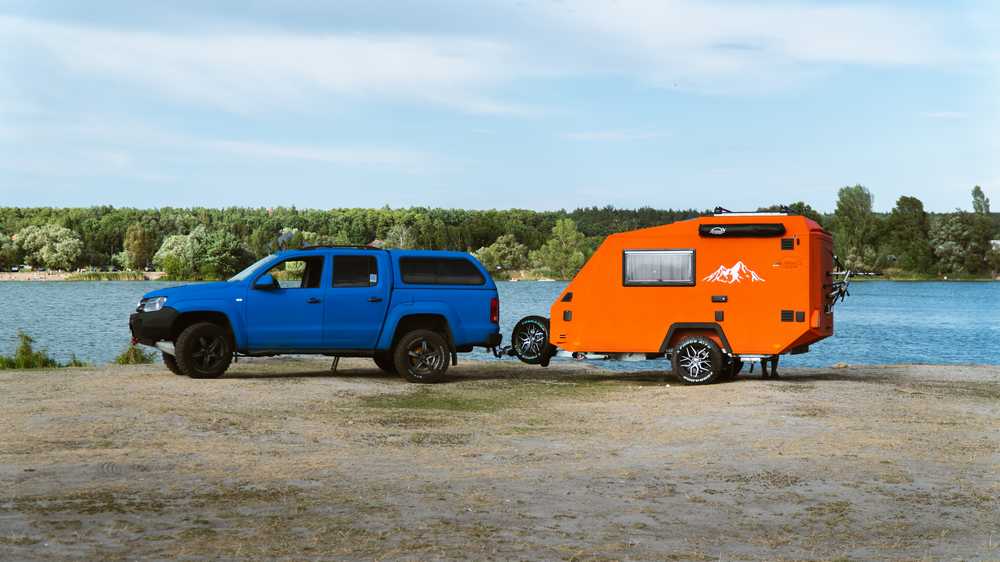
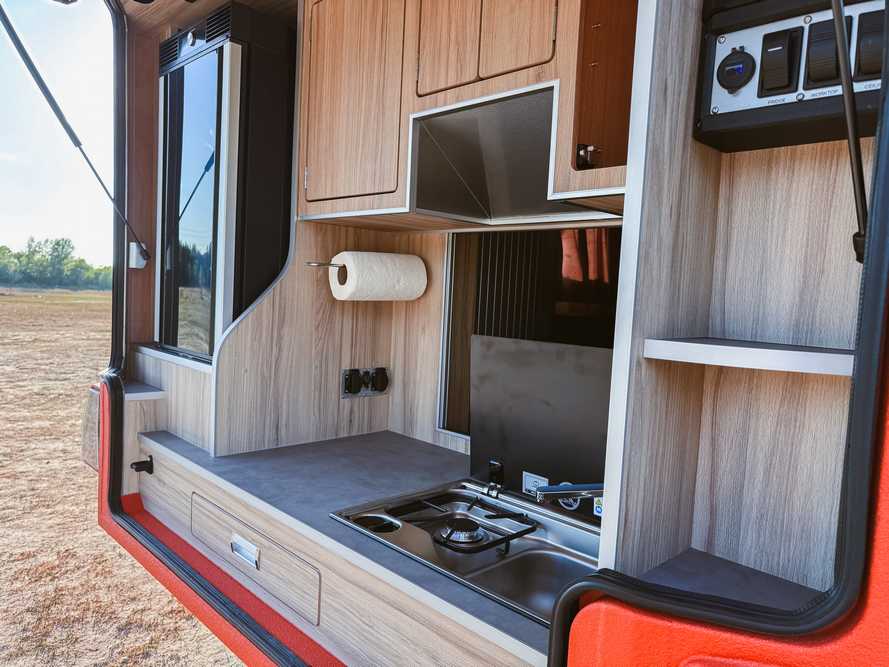
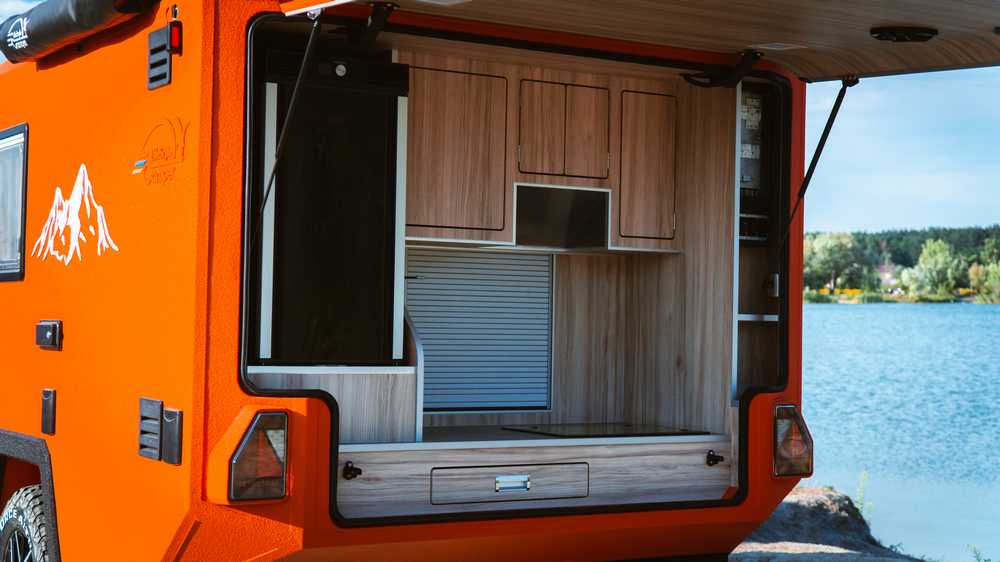
X-RID includes a proper kitchen area. The Dometic CVC 1525G unit combines a gas hob and sink connected to the hot and cold water system. Food can be stored in a built-in Indel B Slim 70 compressor fridge with a 70-litre usable capacity. It runs directly from the 12/24 V electrical system and does not require a separate 230 V inverter.
A shower connection and a Thetford Porta Potti 365 portable toilet provide useful sanitary independence when facilities are not available at every stop. The arrangement retains valuable living space inside the compact body while covering the essentials of longer trips.
Water use has a direct effect on how long any caravan can remain off-grid. Travellers should plan not only their fresh-water supply, but also grey-water storage or disposal and where water can be replenished along the route.
Living space that changes throughout the day
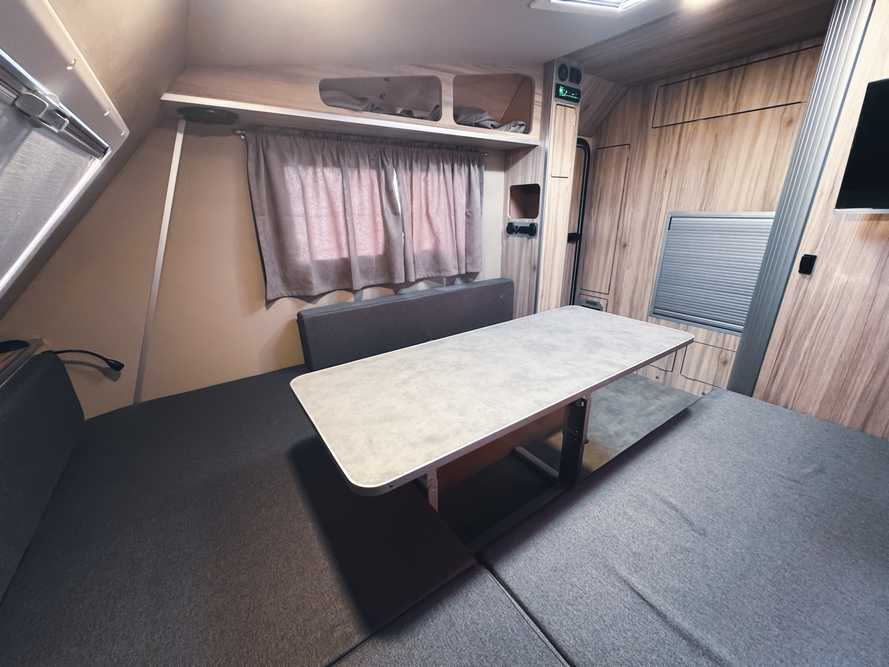
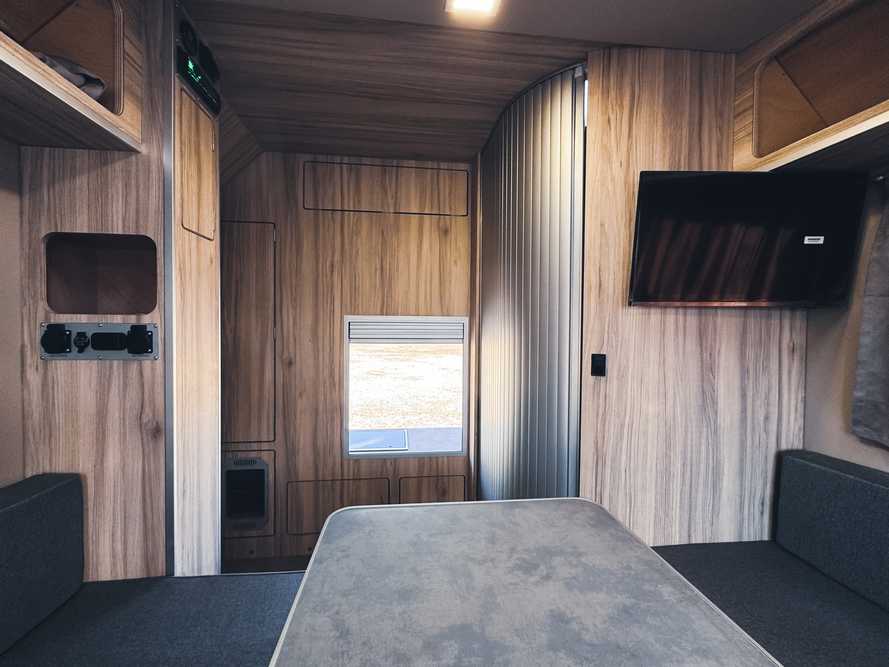
The X-RID interior is built around a convertible lounge. During the day, it provides seating and dining space around a height-adjustable table. At night, the table becomes part of the base for the main double bed, measuring 1,990 × 1,934 mm.
This layout is particularly well suited to couples and compact travelling parties who want a comfortable bed without towing unnecessary body length. Integrated storage provides space for clothing, kitchen equipment and outdoor gear.
Opening Dometic S4 windows with blinds and flyscreens, an overhead ventilation hatch in the sleeping area and LED lighting complete the interior. These are not merely decorative details: ventilation, blackout blinds and insect protection make a noticeable difference over several days on the road.
Watch the X-RID video
See the introduction to X-RID and take a closer look at its exterior, interior and key travel systems.
Who is X-RID designed for?
X-RID is worth considering if you:
- want to spend more time away from fully serviced campsites;
- travel on roads of varying quality and regularly use unpaved routes;
- tour outside the summer season and need an independent heating system;
- value a compact footprint but still want a kitchen, hot water and a comfortable sleeping area;
- are prepared to manage water, battery charge and energy consumption.
Another type of caravan may be more practical if you need several permanent separate beds, a large washroom or considerably more living space for a larger family. If every trip is between fully serviced campsites, some of X-RID’s off-grid equipment may simply go unused.
What to check before choosing a specification
Even a detailed product description cannot replace checking the individual caravan. Before ordering, confirm:
- The actual unladen and maximum authorised mass of the selected specification.
- Compatibility with the tow vehicle and the driving licence required.
- Which heating and water-heating arrangement is installed.
- Which portable power station is supplied and what appliances it is expected to run.
- How fresh water, the shower connection and grey water are managed.
These answers make it possible to assess X-RID against a real travel plan rather than simply comparing the number of items on a specification sheet.
See X-RID in person
Lifestylecamper is presenting X-RID at European caravan and outdoor travel shows in 2026. The model will be at Caravan Salon Düsseldorf from 28 August to 6 September in Hall 16, Stand 16D78, followed by Il Salone del Camper in Parma from 12 to 20 September.
Visiting a show is an opportunity to inspect the layout, try the convertible sleeping area and discuss current equipment options with the team. Outside the exhibition calendar, view the X-RID model page or contact a Lifestylecamper distributor.
View X-RID specifications and equipment options
Frequently asked questions
What is the difference between X-RID and a conventional touring caravan?
The main difference is the equipment intended for stays without permanent campsite connections: an independent power supply, solar charging, heating, water and sanitary equipment. Its chassis and suspension are also designed for roads of varying quality.
What sleeping area does X-RID provide?
The lounge converts into the main double bed, measuring 1,990 × 1,934 mm. During the day, the same area serves as the dining and seating space.
Can X-RID be used without an electric hook-up?
Yes. For a period of time, the caravan can operate from a portable power station supported by roof-mounted solar panels. Actual endurance depends on daylight, weather, installed equipment and individual energy use.
Does X-RID have heating and hot water?
Heating and hot-water equipment is available, but the arrangement varies by specification. The Whale system can be paired with water heating, while the Webasto Air Top 2000 is a diesel air heater. Confirm the installed systems for the individual caravan.
Is X-RID suitable for off-road travel?
Its construction is intended for tarmac, unpaved, forest and mountain roads. Capability still depends on the tow vehicle, tyres, load, road conditions and the driver’s experience.
How long can X-RID remain off-grid?
That depends on water capacity, weather, solar production, temperature, heating demand and electrical consumption. The most reliable approach is to calculate requirements for the planned route and the habits of the travelling party.


